

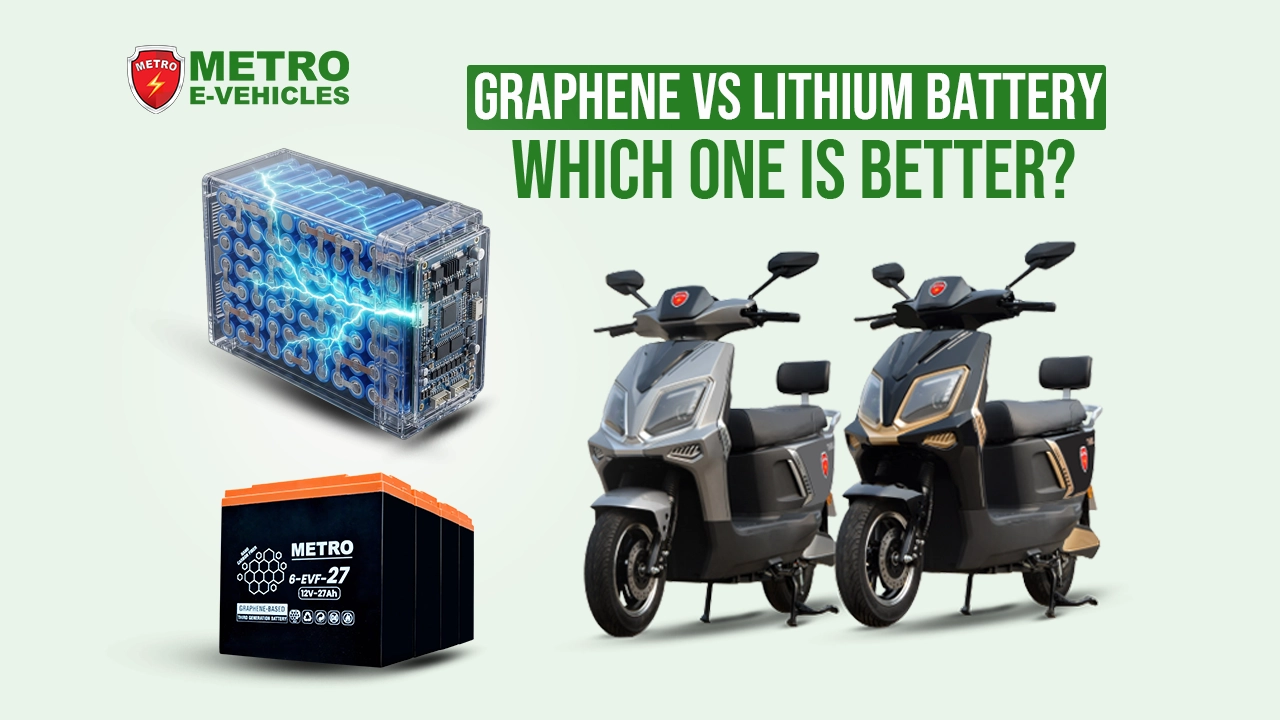
Battery technology is the heartbeat of everything around us. From smartphones to electric bikes, everything depends on how efficiently energy can be stored and used. Imagine having a sports car but with a weak engine—that’s exactly what a device feels like with a poor battery. That’s why advancements in battery tech are not just important; they’re game-changing.
The demand for faster charging, longer lifespan, and safer energy storage has skyrocketed. Electric vehicles, renewable energy systems, and portable electronics all rely heavily on batteries that can perform under pressure. Traditional lithium-ion batteries dominated the market for years, but now newer technologies like graphene are stepping in to challenge the norm.
And here’s the big question: should you stick with proven options like Lithium Iron Phosphate (LFP) or explore futuristic solutions like graphene batteries? Let’s break it down step by step so you can actually understand which one fits your needs best.
Evolution from Lithium to Graphene
Battery technology has come a long way. Initially, we had bulky lead-acid batteries—heavy, inefficient, and outdated. Then came lithium-ion, which revolutionized the industry with better energy density and lighter weight.
Now, graphene is entering the scene like a next-gen upgrade. Think of it as upgrading from 4G to 5G—same purpose, but dramatically better performance potential. Graphene batteries are still evolving, but their promise of ultra-fast charging and longer lifespan is grabbing serious attention worldwide.
Introduction to Nano Carbon Fiber – Graphene Batteries
What is Graphene and How Does It Work?
Graphene is essentially a single layer of carbon atoms arranged in a honeycomb structure. Sounds simple, right? But don’t let that simplicity fool you—this material is incredibly powerful. It’s stronger than steel, highly conductive, and extremely lightweight.
In batteries, graphene acts as a super-efficient conductor, allowing electrons to move faster. This means less resistance, less heat, and faster charging. It’s like replacing narrow roads with highways—energy flows smoothly and quickly.
Key Features of Graphene-Based Batteries
Graphene batteries are often called the “future of energy storage,” and for good reason:
- They can store 3–5x more energy than traditional lithium batteries
- Charging can happen in minutes instead of hours
- They offer over 3000 charge cycles, making them highly durable
Another big advantage? Heat management. Graphene dissipates heat efficiently, reducing the risk of overheating. This makes it ideal for high-performance applications like electric vehicles and power tools.
Also Read: The Use of Nano Carbon Fibers in EV Batteries: A Promising Enhancement for Energy Storage
Overview of Lithium Iron Phosphate (LFP) Batteries
What Are LFP Batteries?
Lithium Iron Phosphate (LiFePO4 or LFP) batteries are a type of lithium-ion battery that uses iron phosphate as the cathode material. Unlike other lithium batteries that rely on cobalt or nickel, LFP batteries are more stable and environmentally friendly.
They’ve become incredibly popular in electric vehicles and energy storage systems because they strike a perfect balance between safety, cost, and durability.
Core Advantages of LFP Technology
LFP batteries bring a lot to the table:
- Long lifespan: 2,500 to 9,000 charge cycles
- Excellent safety: Highly resistant to overheating
- Low cost: No expensive cobalt required
- Durability: Can last over 10 years
They might not be the most energy-dense batteries out there, but they’re incredibly reliable. Think of them as a diesel engine—maybe not the fastest, but built to last.
Why LFP Dominates in Real-World Applications
1. Safety That Engineers Trust
The phosphate-oxygen bond in LFP is thermochemically stable. Even under extreme abuse conditions — overcharge, puncture, short circuit — LFP cells do not undergo the exothermic reactions that lead to fire or explosion. This intrinsic stability has made LFP the preferred chemistry for utility-scale grid storage, EV buses, and marine applications where a battery fire would be catastrophic.
Graphene-enhanced cells, being largely based on NMC or NCA chemistries, inherit those chemistries’ thermal vulnerabilities. The graphene component does help with heat dissipation, but the fundamental risk of thermal runaway is not eliminated.
2. Exceptional Cycle Life and Longevity
A quality LFP cell today can deliver between 3,000 and 6,000 full charge-discharge cycles while retaining 80% of its original capacity. In calendar terms, this translates to 10–20 years of service in many applications. This is 2–3× better than standard NMC lithium-ion batteries.
For solar home systems, EV buses, or grid-scale storage — applications where the battery must be amortized over a decade — this longevity fundamentally changes the economics. Graphene batteries claim potentially superior cycle life, but these numbers have not been demonstrated in mass-production commercial cells over multi-year real-world deployments.
3. Wide Operating Temperature Range
LFP batteries maintain performance across a wide temperature spectrum, from -20°C to 60°C. This makes them suitable for outdoor telecom infrastructure, electric trucks operating in cold climates, and tropical solar storage systems alike. The chemistry’s flat discharge curve and stable electrode structure resist the degradation that temperatures cause in other chemistries.
4. No Critical Material Dependencies
LFP uses iron, phosphorus, and lithium — all relatively abundant and geopolitically stable materials. There is no cobalt (subject to supply chain and human rights concerns) and no nickel (price-volatile). This gives LFP manufacturers and end-users confidence in supply chain resilience, which is increasingly important as nations prioritize energy independence.
Conclusion
LFP batteries have already crossed the cost and performance thresholds required for mass-market EV adoption, grid-scale storage, and residential solar — and they are continuing to improve. CATL’s latest LFP cells offer energy densities that were unthinkable five years ago, and solid-state LFP is on the research horizon.